

The Kinds of Pride I Didn’t Recognize
You know, I would’ve denied being a proud man. I don’t mean in the “aw shucks, I’m just humble” kind of way. I mean I genuinely didn’t think pride was one of my bigger problems. Pride, in my mind, looked like arrogance, bragging, vanity, or walking into a room convinced everyone should be impressed. I knew those temptations existed, but I didn’t usually see myself that way.
When ALS started taking things from me, I realized pride had been wearing better clothes than I expected. It didn’t look arrogant, it looked responsible. Productive. Capable. Useful. Manly. Dependable. I liked being the one people could count on. I liked being the protector, the provider, the problem solver, the guy who could figure things out and carry the load. None of those things are bad by themselves. But they become dangerous when they stop being gifts and start becoming identity.
I didn’t realize how tightly I had tied my sense of worth to being useful until usefulness began slipping away. That’s the thing about pride; it’s crafty. It can sound like duty while secretly demanding admiration. It can look like strength while quietly depending on being seen as strong.
When Weakness Takes Away the Illusion
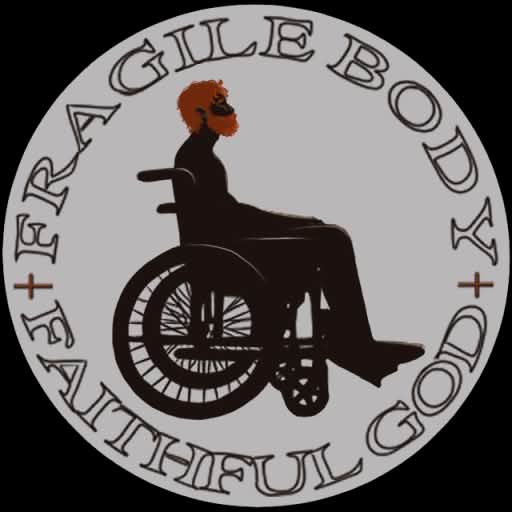
Illness exposes things we’d rather keep hidden. When you need help with basic tasks, the soul doesn’t just resist inconvenience. It resists humiliation. Doing things for myself wasn’t only easier; it carried meaning. What I grieve isn’t just the loss of ability, but what those abilities represented. Protecting and providing doesn’t look the same now. I can no longer physically step. I now need other people’s protection, provision, and care in deeply personal moments, and there’re parts of that reality that make something inside me recoil.
Some of that grief is normal. Loss is loss. But that loss revealed that I trusted in myself more than I realized. Because my body usually obeyed, I thought I had control. Because I could handle my responsibilities, I felt independent. Strength had become part of my identity because weakness hadn’t yet cornered me.
But, as they say, “the truth will out.” Control was more imagined than possessed. Independence, more borrowed than owned. And strength, it turns out was never as permanent as I’d assumed. ALS didn’t create that pride, but it certainly uncovered it.
Paul’s Thorn and the Mercy of Being Brought Low

In 2 Corinthians, Paul says a thorn came “to keep me from becoming conceited.” Three times he pleaded with the Lord to remove it. God gave an answer, but not the way Paul wanted: “My grace is sufficient for you, for my power is made perfect in weakness.”
That passage isn’t about God glorifying weakness for weakness’s sake. Weaknesses aren’t magical. Sickness isn’t holy just because it hurts. But God can use weakness to expose false strength and teach dependence. He can love us enough to bring us low when high places start creeping in.
Paul wanted the thorn gone. I want ALS gone. I want my body back, my voice back, my ability to hold my wife and play with my grandchildren. And I don’t want a theology that pretends those desires are wrong. But Paul’s acceptance teaches me something I still struggle with. Often, God’s answer isn’t removal, but sufficient grace. Sometimes His mercy isn’t escape; it’s the nearness of Christ in the thing we begged Him to take away.
The Pride of Wanting to Be Needed
Pride, I’m learning, is deeper than “I don’t like needing help.” That’s true, but it doesn’t go far enough. Pride also says, “I must remain strong to matter.” It says, “If I’m not needed, useful, or indispensable, then what am I?” That one cuts deep.
Usefulness is a gift, not a god. Being able to work, serve, provide, fix, lift, speak, drive, and solve problems is a mercy. But if losing those abilities makes me feel less human, then maybe I had too much of my identity built beside God instead of in Him.
God loves us enough to separate us from identities we build too close to the throne. Painful though it may be, He will strip away roles we’ve confused with personhood. He may allow weakness to ask a question, strength rarely lets us hear: If you can no longer do what makes you feel important, who are you in Me?
The answer is that in Christ, my personhood was never held together by productivity. My worth was never measured by muscle, income, competence, or masculine usefulness. Those things can be good, but they’re terrible saviors.
Learning the Humility of Receiving
Receiving help is harder than I expected. Giving help feels noble. Receiving it feels like being exposed. It means admitting need in front of witnesses and letting others see what I can no longer manage. It means accepting love when I can’t repay it in the same form.
But maybe that’s part of humility. Humility is receiving reality from God’s hand: help, love, limitations, dependence, and identity. It’s learning to say, “I’m not less because I need care.” It’s learning that love that’s earned by performance was never grace.
The Method Behind the Madness
This doesn’t mean everything suddenly feels better emotionally. It doesn’t make dependence painless or humiliation easy. But weakness is teaching me something I wouldn’t have chosen to learn this way. Pride doesn’t only say, “I’m better than others.” Sometimes it says, “I must remain strong to matter.” And grace answers, “No. You matter because you belong to Me.”
Final Question: Has suffering, weakness, or limitation ever exposed a kind of pride in you that you did not recognize before? What has God been teaching you through that?
“But he said to me, ‘My grace is sufficient for you, for my power is made perfect in weakness.’ Therefore I will boast all the more gladly of my weaknesses, so that the power of Christ may rest upon me.” 2 Corinthians 12:9 (ESV)
As usual if you enjoy this content, like, share, and press one of the buttons below to get updates when new posts go live. Just don’t forget to check your spam folder if you don’t see anything. You can also check out my socials and keep in touch… Here. Thanks for your support and God Bless.

Leave a Reply