

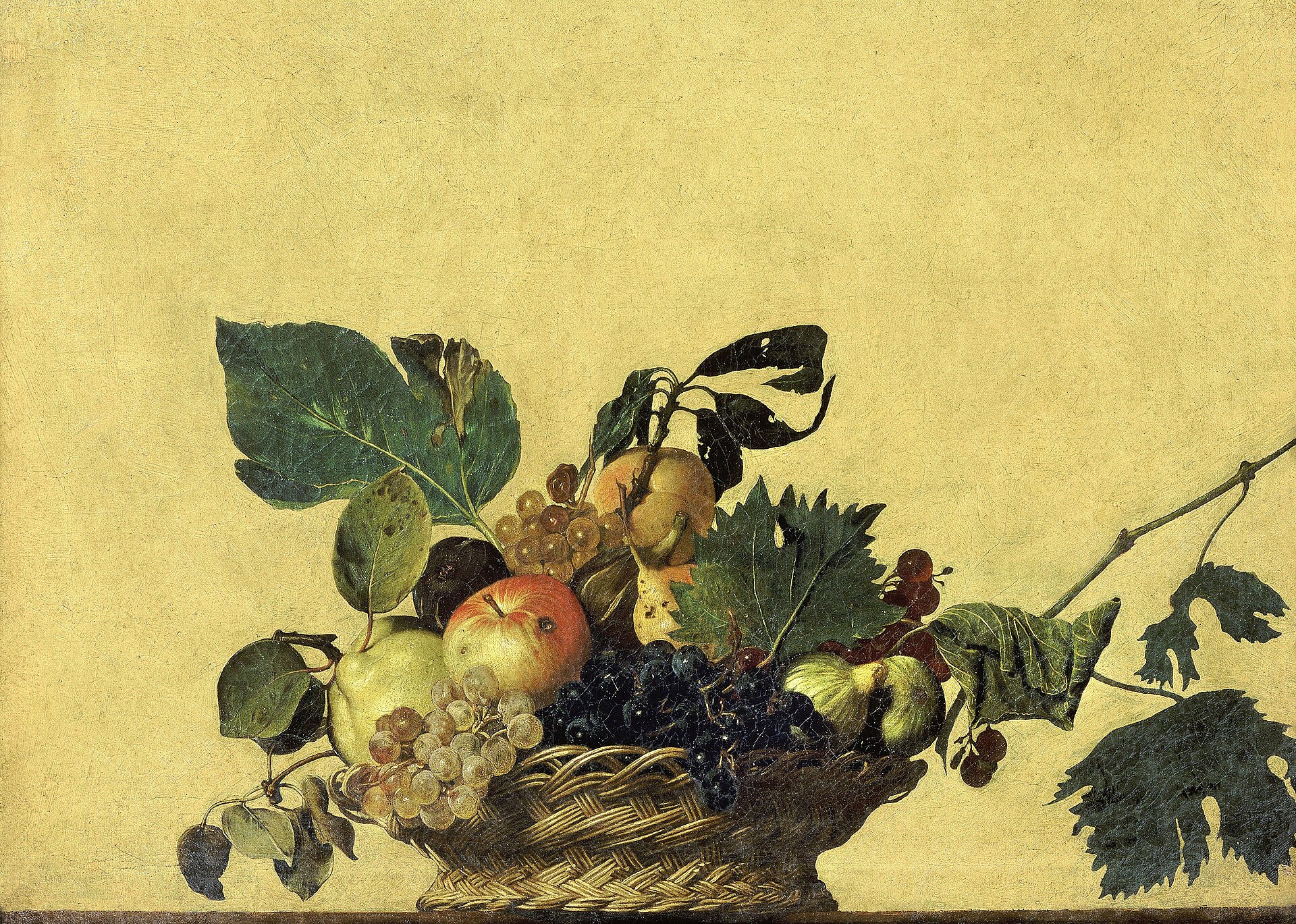
Provision: The Leader as Feeder and Builder
In the last post, we looked at protection; faithful leaders pay attention. They can’t pretend danger isn’t there just because naming it feels uncomfortable. But protection, by itself, isn’t the whole work of leadership. A shepherd who only watches the fence but never feeds the flock still fails the sheep.
Some leaders become excellent at warning people but lousy at nourishing them. They can identify threats, expose errors, and point out dangers, but the people under their care slowly become anxious, dependent, and underdeveloped. The people may know what to avoid, but not always what to embrace or how they should be growing. They might see dangers and miss the beautiful, good, and true. Protection keeps harm out, but provision cultivates life within.
Man Shall Not Live on Warnings Alone
Warnings are crucial. Scripture gives plenty of them, and wise leaders shouldn’t be embarrassed by that. A parent who never says “no” isn’t being loving they’re being neglectful. In the same way, a leader who never confronts patterns of danger may be pleasant, but pleasant neglect is still neglect.
Still, warnings alone won’t keep people going. Imagine a shepherd who spends all day yelling, “Wolf!” while never leading the flock to grass or water. He may be right about the wolves, but the sheep will still grow weak. A protected but unfed flock is still in danger. Hunger, confusion, isolation, or exhaustion make people vulnerable. If leadership only blocks danger but never builds lasting strength, it will create a life that looks firm and safe for the moment but is actually fragile. And that fragility will be exposed in the future.
Good leadership needs to do more than keep harm out. It’s vital to cultivate life within. That means leaders don’t only ask, “What’s threatening these people?” but also, “What do they need in order to mature?” That question changes the tone of leadership. It moves us from suspicion to care, from reaction to formation, and from just stopping damage to building health.
What Provision Includes

Provision sounds simple until we start applying it. We may think it only means meeting obvious needs: food, money, staffing, programs, tools, schedules, etc. And those things do matter. An ill-equipped and disorganized home, church, or ministry will leave people worn out simply because there isn’t enough structure for them to serve well.
But biblical provision is broader than logistics. Leaders provide truth by faithfully opening Scripture and teaching sound doctrine. They don’t feed people opinions dressed up in church clothes and religious sounding language. Leaders should also be interceding for those under their care, bringing the peoples’ needs to God in prayer. This prayer needs to be both public and private. General intercessory prayer should be public to model prayer for others and to remind them you know and care about their problems. Non-public prayers should be for more specific and/or private needs and is necessary because your public prayer life should reflect your personal prayer life. You should also be visiting the sick and caring for those in need and you should be training others so you can multiply that care and not burn yourself out.
Additionally
Clarity comes as leaders explain direction, expectations, and priorities. What direction do you want your family to move in? What’s the family goals? That will determine priorities which will tell your children some of the core expectations. The same goes for your church. If you’re a pastor, what do you expect of your congregation? Have you clearly shared that with them? What are the priorities of your fellowship? Maybe it’s overseas missions or small groups. How do these priorities inform the direction in which you as a body of believers will move and is everyone on the same page? Some things may be set in stone and others up for discussion.
Resources are supplied when people receive what they need for the work in front of them. Leaders provide encouragement because people aren’t machines, and even faithful servants grow weary. Structure can help prevent confusion from draining strength. And leaders should also teach through example, since people learn more from what leaders say, than from what they do.
Provision, then, isn’t giving people everything they want. It’s giving them what they need to become mature. Sometimes that includes comfort. It can also be instruction, rest, correction, opportunity, boundaries, training, or a clearer path forward. Good provision isn’t about keeping people comfortable. It’s helping them grow strong enough to stand, serve, discern, and eventually help nourish others.
The Theology of Feeding the Flock
Scripture repeatedly shows God as the One who provides for His people, often through shepherd imagery. Psalm 23 isn’t just about God protecting us in the valley. It begins, “The LORD is my shepherd; I shall not want. He makes me lie down in green pastures. He leads me beside still waters. He restores my soul.” Provision and protection are woven together by God.
Isaiah 40 gives a similar picture. The Lord comes with might, but He also tends His flock like a shepherd. He gathers lambs in His arms and gently leads those with young. His strength isn’t cold and His power doesn’t make Him careless. God’s provision is tender, wise, and strong at the same time.
In John 21, Jesus restores Peter with a repeated command: “Feed my lambs,” “Tend my sheep,” “Feed my sheep.” Peter, who had failed publicly and painfully, isn’t restored to vague influence. He’s restored to shepherding responsibility. Love for Christ is to be expressed through care for Christ’s people. In Ephesians 4, leaders are given to equip the saints for the work of ministry, so the body grows into maturity. In other words, God provides through leaders who feed His people with truth and care.
That should give all leaders pause. The question isn’t just, “Did I avoid disaster?” It’s also, “Did I help people grow? Did the household become stronger, clearer, wiser, more grounded, more loving, and better equipped? Were people fed enough to mature, or only managed enough to function?”
The Difference Between Provision and Enabling

Of course, like any other aspect of leadership, provision can be distorted. Leaders can confuse feeding with people-pleasing. Keeping everyone comfortable can be mistaken for caring. Hard truths get avoided when leaders don’t want people upset. Dependency forms when leaders do everything for people instead of training them to grow. Constant reassurance given without building discernment may feel compassionate in the moment, but it weakens the flock over time.
There’s a difference between provision and enabling. Provision strengthens. Enabling softens people against maturity. Provision gives what’s needed for obedience, wisdom, endurance, and service. Enabling just keeps immediate conflict at bay without ever teaching how to face that conflict. Provision prepares people to carry responsibility. Enabling keeps leaders indispensable, thrusting more responsibilities onto their strained backs in the process. That last one can be especially tempting. Some leaders enjoy being needed so much that they never actually build others up.
True provision holds a vision beyond immediate relief. It wants people to mature. A good parent doesn’t feed or serve a child forever. They’ll teach children to eat, work, serve, and care for others. In the same way, a faithful pastor shouldn’t keep people dependent on his personality, preferences, or constant presence. A healthy leader provides in ways that help others become more faithful, more discerning, and more fruitful for God.
Closing Thoughts
Provision isn’t softness. It’s the disciplined labor of building people up. It takes patience to feed, teach, organize, encourage, clarify, and model faithfulness over time. Warnings may be urgent, but nourishment is usually slow. Nobody matures because of one meal. The body grows through repeated feeding, steady care, and ordinary faithfulness.
This is where leaders need endurance. It’s easier to sound the alarm than to make dinner every day. It’s easier to react to a crisis than to build a culture. But faithful leadership does both. It guards the house and sets the table. It watches the walls and feeds the people. Faithful leadership refuses to let danger in, but it also refuses to let the household starve.
And this leads naturally to the next responsibility. Provision without education can create dependence. People may be provided with good things, but if they’re never trained to understand, discern, and obey, they remain vulnerable. So next, we’ll look at education: the leader as teacher and trainer.
Final Question: Whether from parents, a pastor, or a boss, what kind of provision helped you grow stronger rather than merely more comfortable?
“He will tend his flock like a shepherd; he will gather the lambs in his arms.”
Isaiah 40:11 (ESV)
As usual if you enjoy this content, like, share, and press one of the buttons below to get updates when new posts go live. Just don’t forget to check your spam folder if you don’t see anything. You can also check out my socials and keep in touch… Here. Thanks for your support and God Bless.
Leave a Reply